
When Jennifer Evans founded Nested Integral Coaching Constellation, the mission was straightforward: provide coaching, classes, and programs for people impacted by interpersonal trauma. The flagship offering, a group program called REPAIR, guides participants through nervous system regulation, grounding, and mindfulness, giving survivors of domestic violence, adults with histories of incarceration, and people who've experienced adverse childhood experiences (ACEs) a skills-based path toward recovery.
What wasn't obvious at first was how this work fit into the emerging landscape of California's CalAIM initiative. That clarity came through the Justice Serving Network (JSN), a collaboration between Public Works Alliance and Full Circle Health Network.
A Natural Fit, A Steep Climb
Nested Integral is led by people who have experienced incarceration. Evans herself served time, which is part of why the JSN's focus on justice-impacted communities felt like such an obvious match when the application for Cohort 2 came across her desk.
"It's just really perfectly aligned with us when we found out about the application to join, because we work with formerly incarcerated and we're formerly incarcerated-led," Evans said.
The organization had already been doing work deeply aligned with Community Health Worker (CHW) services under CalAIM. Enhanced Care Management (ECM) was newer territory, and the learning curve was steep.
Evans reflected: "I thought it would be a lot of administrative work to learn to work within the Medi-Cal system. I estimated it would take 1-2 months to launch our ECM program, and then as I was actually going through it, it was about 20 times more work than I'd imagined."
Through the JSN cohort, Evans received support from leaders at peer organizations and technical help from a Full Circle provider success coach to navigate that complexity, from PAVE enrollment and credentialing to contracts with managed care plans.
Troy: What ECM Looks Like in Practice
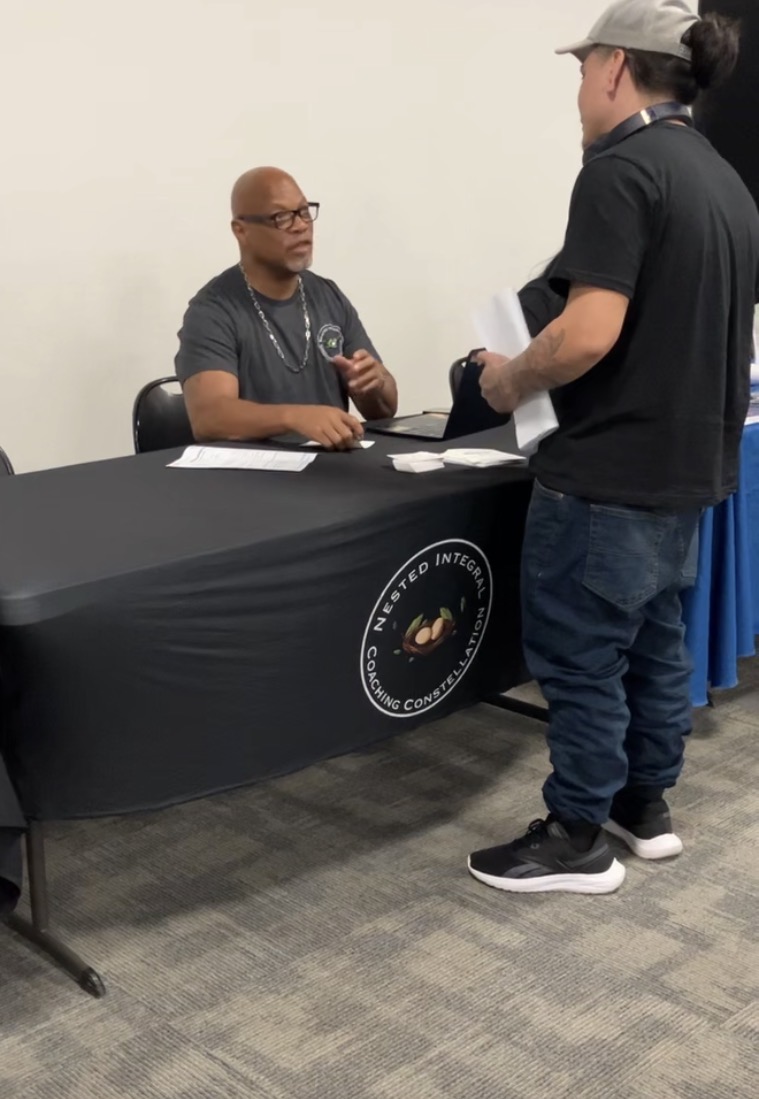
The best way to understand what Nested Integral does with ECM is through the work of Troy, a Lead Care Manager (LCM) based in Kern County. Troy himself is formerly incarcerated, an ex-lifer who has been out of prison for several years. He meets clients at PACT meetings: resource fairs organized by parole to connect people transitioning from incarceration with the services they need.
What Troy offers goes well beyond a list of referrals.
Evans explains: "the bond and trust that forms between LCM and the client is actually what helps their life really start to turn around. It's about the resources, but it's not JUST about the resources.”
Some clients check in with Troy daily, the way you might call an AA sponsor. Others connect weekly. Over time, clients build better relationships with their parole agents and with their communities, and eventually, Nested Integral helps them gather the letters needed to be discharged from parole.
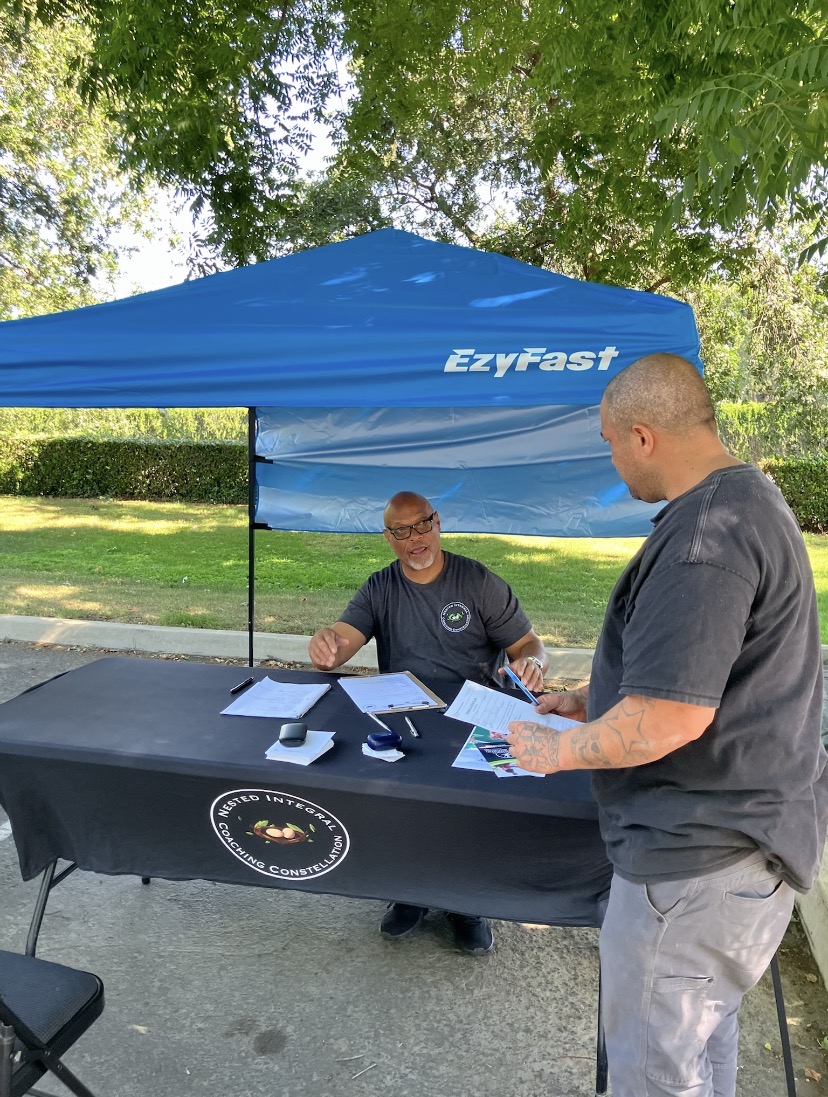
There’s a wide practical scope to this work: helping people schedule their first doctor's appointment in years, navigating job searches, learning to hold employment, sorting out transportation. And for those with more complex needs,the path leads to therapy referrals and enrollment in the REPAIR group.
Building the Pipeline
Nested Integral sees their work as investing in the workforce that will deliver services for years to come.
The organization now offers undergraduate internships specifically recruiting from programs like Project Rebound (formerly incarcerated students) and Guardian Scholars (former foster youth).
Interns participate in the REPAIR program and gain real experience in mental health-adjacent settings. Nested Integral has academic credit contracts with California universities and also welcomes students from outside those contracts, fully remote.
More recently, the organization has launched a CHW internship that will certify participants, creating a direct pathway for people with lived experience to enter the workforce in a credentialed role.
Evans sees this as the beginning of an intentional continuum: from entry-level community work, to undergraduate study, to graduate training, an upward mobility pipeline rooted in the same communities Nested Integral serves.
I really like the idea of an upward mobility pipeline - starting with truly entry-level, no-degree-required work, like what Troy does with ECM, and building all the way up through undergrad and graduate school," said Evans.

.png)
.png)